Case Studies2 clusters
Documented Dental Waterline Infection Outbreaks
What the Georgia 2015 and Orange County 2016 Mycobacterium abscessus clusters revealed about dental unit water, and what CDC did next.
ReadBiofilm is the reason dental unit water fails tests. It grows on the inside of the tubing, resists flushing, and reseeds the water continuously until it is removed.
Biofilm is a dense community of microorganisms that attach to surfaces and produce a sticky protective matrix. Once it forms, that matrix shields bacteria and fungi from disinfectants, making them harder to remove.
Instead of free-floating germs, biofilm behaves like a structured ecosystem that can persist and regrow quickly if not managed consistently.
Protective Matrix
The biofilm layer acts like armor, reducing the effectiveness of routine flushing.
Rapid Regrowth
Small surviving colonies can repopulate quickly, especially in low-flow tubing.
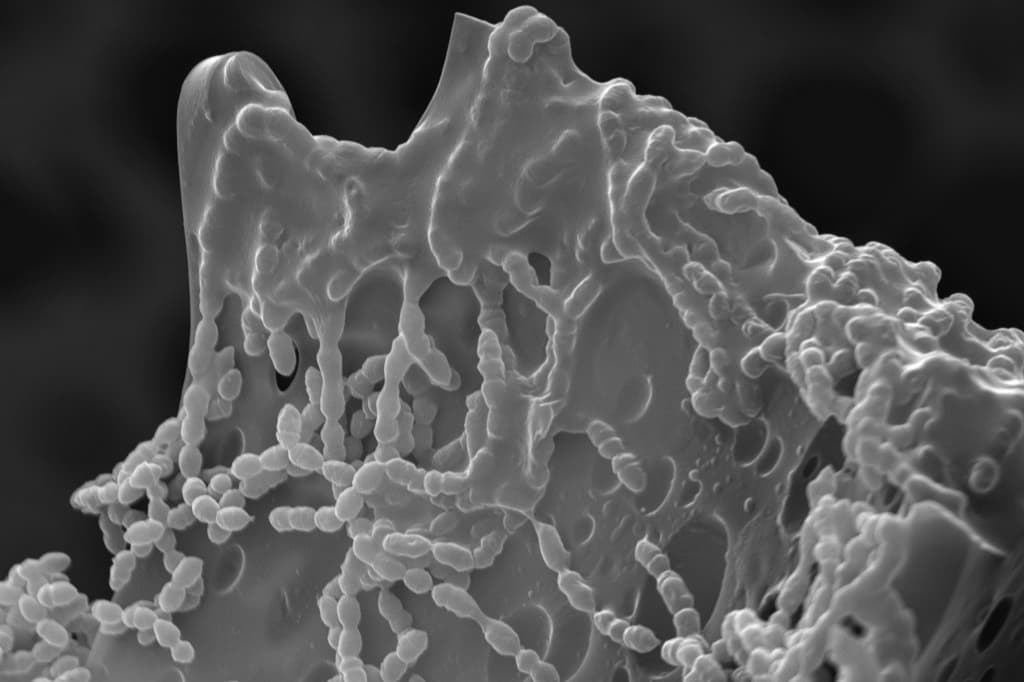
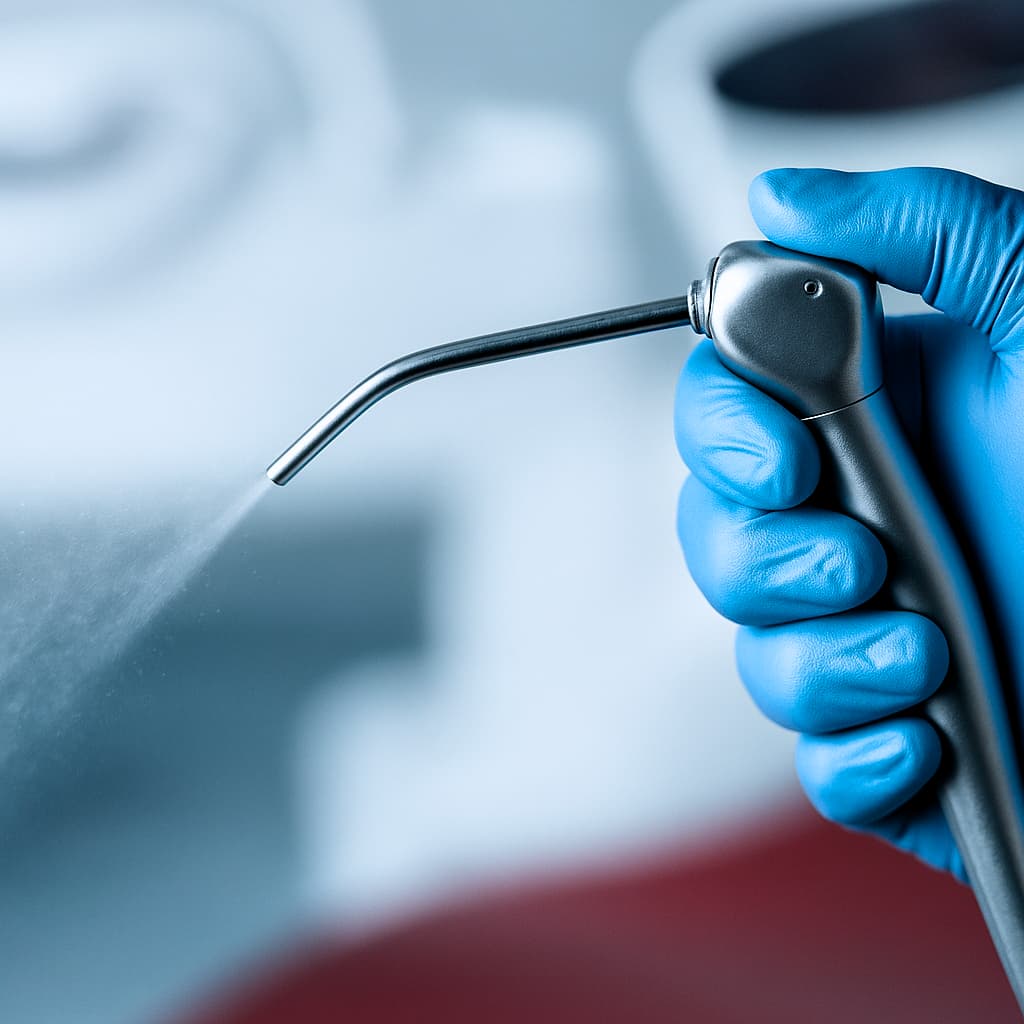
Dental units use long, narrow waterlines with low flow rates. When water sits overnight, on weekends, or between patients, microorganisms have time to attach and multiply.
Once established, biofilm can continually seed the water flowing through the unit, making it difficult to maintain safe microbial levels.
Pathogenic bacteria can live inside biofilm and release into dental water. This exposure risk is especially concerning for immunocompromised patients and during surgical procedures.
Because biofilm is resilient, inconsistent maintenance can allow contamination to persist even when water appears clear.
Patient Safety
Contaminated waterlines can expose patients to harmful microorganisms.
Compliance Risk
Biofilm makes it harder to maintain consistent, testable water quality.
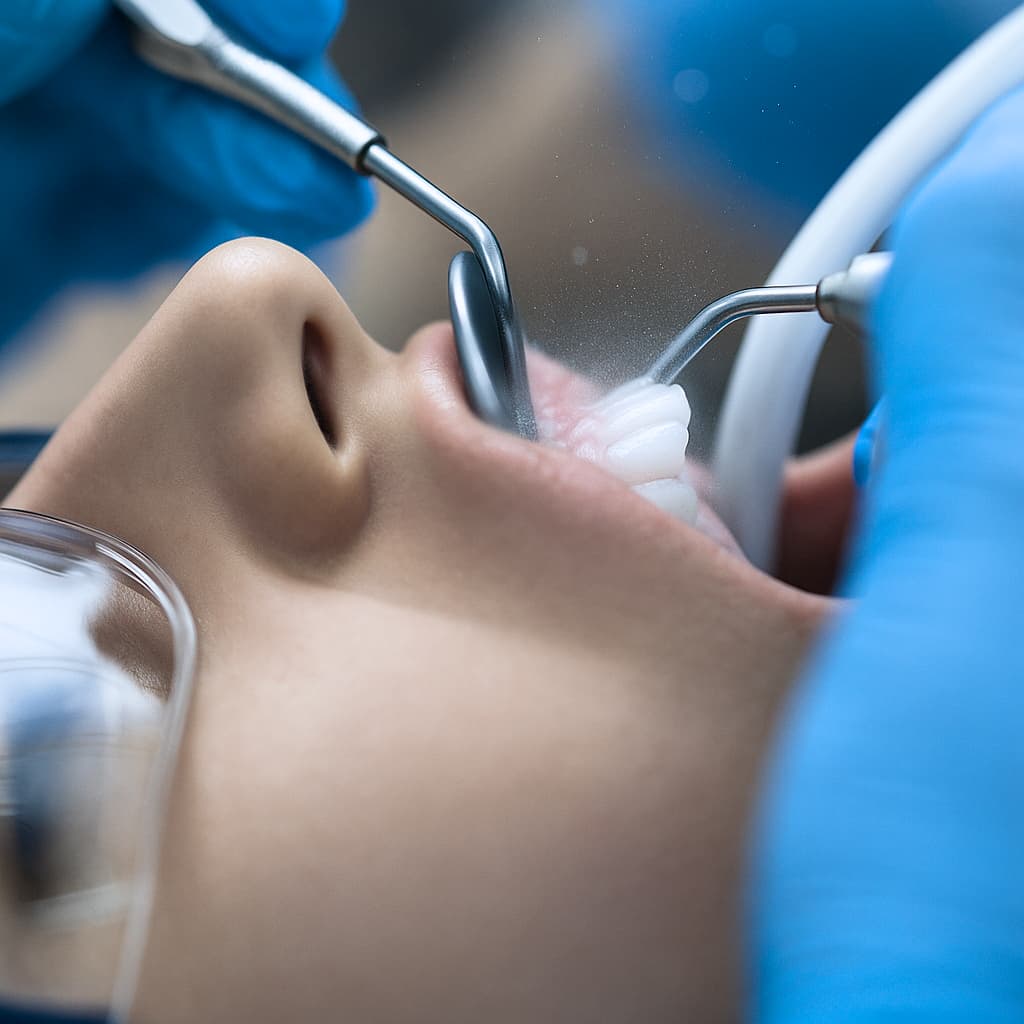
Two documented pediatric clusters were traced to dental unit water. Both involved pulpotomies, untreated municipal water, and no monitoring program. Full findings, with sources, are in the outbreak case studies.

Among 1,082 at-risk patients who had pulpotomies at one pediatric clinic, 71 case patients were identified: 22 confirmed and 49 probable Mycobacterium abscessusinfections, at a median age of 6 years.

CDC investigated Mycobacterium abscessus infections among 24 children treated at a pediatric dentistry practice, 14 of them confirmed cases. Water sampled from the dental units matched isolates from patient tissue.
The most effective protocol combines an initial shock, routine treatment, and regular monitoring. LineTab supports ongoing compliance by delivering a consistent dose at every refill.
1. Shock lines before starting a new maintenance routine.
2. Use a continuous treatment approach to prevent regrowth.
3. Test and document water quality on a routine schedule.
LineTab keeps waterlines protected between shocks without complicated routines.
Biofilm is a layer of microorganisms attached to the inside surface of the waterline tubing, encased in a self-produced protective matrix. The matrix shields the organisms from disinfectants and the shear force of flowing water, allowing biofilm to persist through routine flushing.
CDC points to three conditions in dental units: long, small-diameter tubing that gives a high surface-area-to-volume ratio, low flow rates that do not dislodge attached organisms, and frequent stagnation overnight, over weekends, and between patients.
No. Flushing discharges the water standing in the line but leaves the biofilm attached to the tubing wall, which immediately begins reseeding the water again. Removing established biofilm requires a shock treatment with a high-level disinfectant.
Generally not. Water from a heavily contaminated line usually looks clear, so water quality must be checked with a measured CFU/mL count rather than a visual inspection.
Requirements vary by state and by equipment manufacturer. Always follow your dental unit and treatment product instructions for use, and confirm current rules with your state dental board.
Shocking clears what has established on the tubing wall. LineTab helps maintain the line between shocks with one tablet per reservoir refill and nothing to measure.